








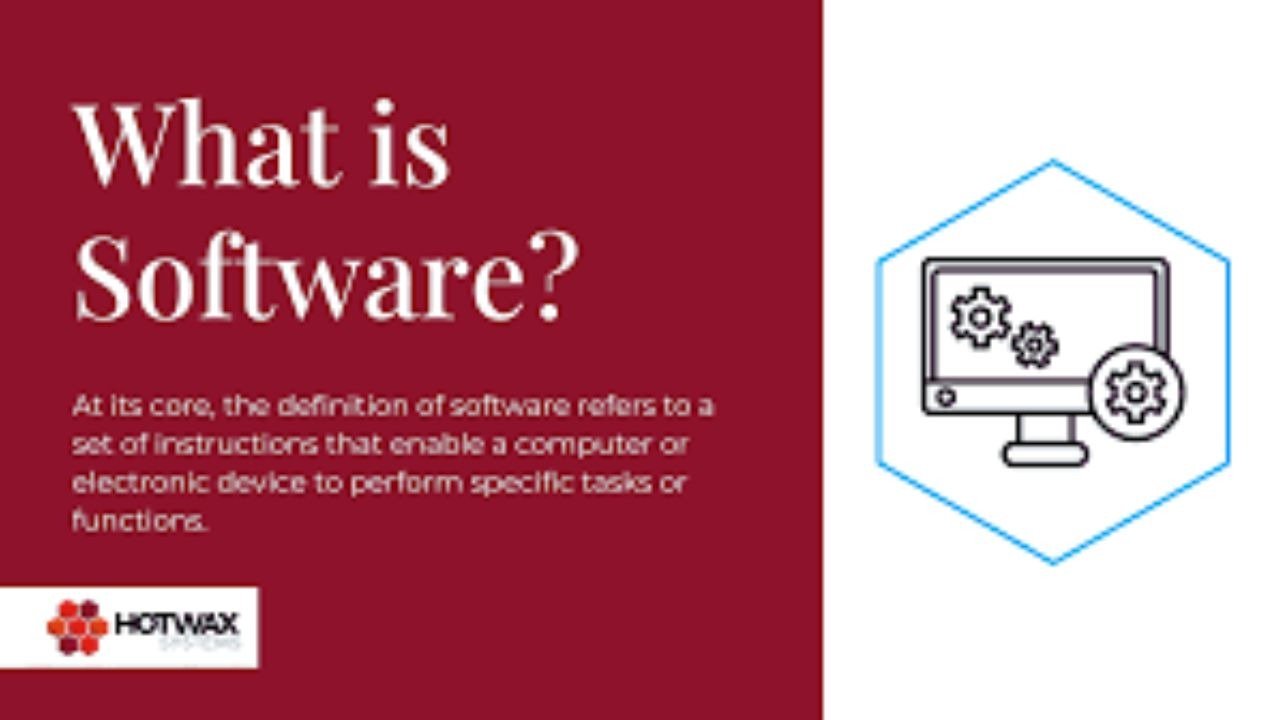
Software refers to programs and applications that run on a computer, laptop, or mobile device. Unlike hardware (physical parts like keyboard, screen, or CPU), software is the digital part that tells the device what to do.
In simple words:
Hardware is the body, software is the brain.
Main Types of Software
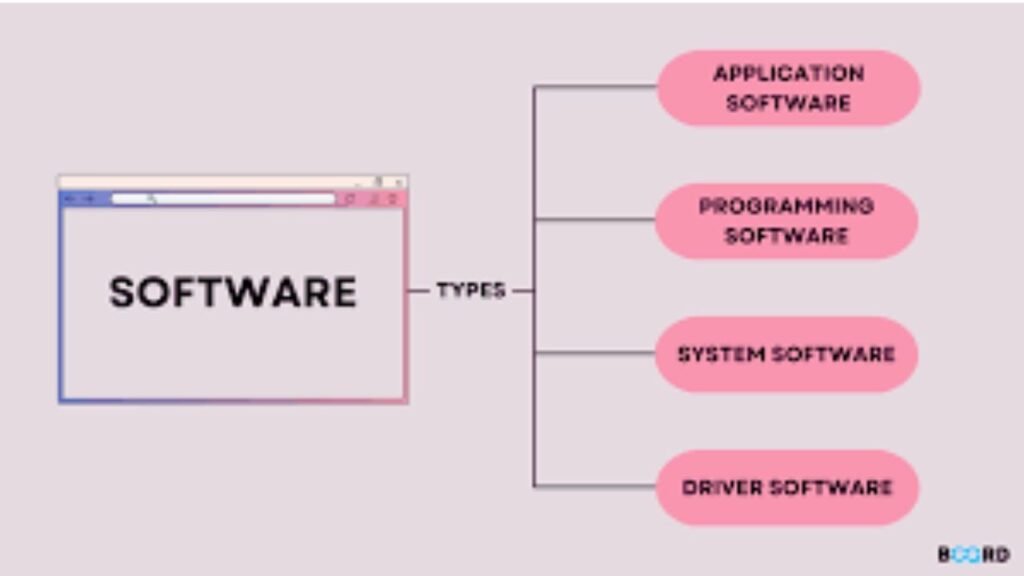
1. System Software
This type controls and manages the computer itself https://tech.linksentu.xyz/.
Examples:
- Microsoft Windows
- macOS
- Linux
These are called Operating Systems (OS).
2. Application Software
These are programs we use for daily tasks.
Examples:
- Microsoft Word (for typing documents)
- Google Chrome (for browsing internet)
- Adobe Photoshop (for photo editing)
- VLC media player (for watching videos)
3. Programming Software
Used by developers to create other software.
Examples:
- Visual Studio Code
- PyCharm
- Eclipse
Types Based on License to Software
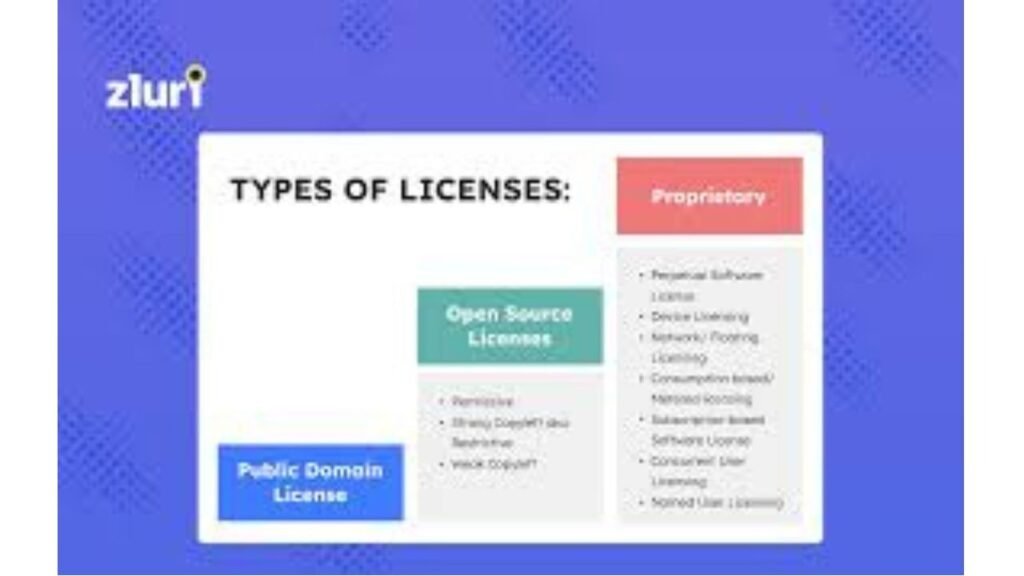
- Free Software Free to use (example: LibreOffice)
- Paid Software Need to buy license (example: Microsoft Office)
- Open-Source Software Source code is public (example: Ubuntu)
Why Software Is Important

✔ Helps in education
✔ Used in business and offices
✔ Needed for gaming and entertainment
✔ Essential for communication and internet use
If you want, I can also write a complete SEO article on Software for 2026 for your website.
Software Complete Guide (Detailed Description)
Software is the invisible power that makes modern technology work. It is the collection of programs, data, and instructions that tell a computer, laptop, smartphone, or any digital device what to do. While hardware represents the physical components like the keyboard, screen, hard drive, and processor, software acts as the intelligence behind the machine. In simple words, hardware is the body, and software is the brain.
In today’s digital world, software plays a critical role in education, business, healthcare, entertainment, banking, communication, and almost every industry. From sending emails and browsing the internet to designing buildings and managing multinational companies, software makes everything possible. Even the most powerful computer would be worthless without software.
What is Software?
Software is a set of instructions written in programming languages that instructs a computer on how to perform specific tasks. These instructions are developed by programmers using languages like Python, Java, C++, and JavaScript. Once written and compiled, the software runs on devices to complete different operations.
For example:
- When you open a browser like Google Chrome, the software allows you to search the internet.
- When you type a document in Microsoft Word, the software helps you create and edit text files.
- When you edit photos in Adobe Photoshop, the software processes images and applies effects.
All of these are examples of how software interacts with users and hardware to perform tasks efficiently.
Main Types of Software
Software is generally divided into three main categories:
1. System Software
System software manages and controls the computer hardware. It provides a platform for other software to run. Without system software, applications cannot function.
Among system software, operating systems (OS) are the most common. Popular operating systems include:
- Microsoft Windows
- macOS
- Linux
The operating system handles tasks such as memory management, file storage, device control, security, and user interface.
Other examples of system software include:
- Device drivers (control hardware like printers and keyboards)
- Utility programs (disk cleanup, antivirus tools)
- Firmware (software embedded in hardware devices)
2. Application Software
Application software is designed to help users perform specific tasks. This is the software that most people use daily.
Examples include:
- Web browsers like Mozilla Firefox
- Media players like VLC Media Player
- Office tools like Microsoft Excel
- Communication apps like Zoom
Application software can be categorized further into:
- Productivity software (Word processors, spreadsheets)
- Graphic design software
- Video editing software
- Accounting software
- Educational software
- Gaming software
These applications make work faster, more organized, and more efficient.
3. Programming Software
Programming software is used by developers to create other software.
It comes with tools for writing, testing, and debugging code.
Examples include:
- Code editors
- Compilers
- Debuggers
- Integrated Development Environments (IDEs)
Popular development tools include:
- Visual Studio Code
- PyCharm
These tools allow developers to build websites, mobile apps, games, and enterprise systems.
Importance of Software in Modern Life
Software has transformed the world into a digital ecosystem. Its importance can be seen in multiple industries:
1. Education
Students use educational platforms, online classes, and digital libraries powered by software. Learning management systems help teachers manage assignments and exams.
2. Business
Companies use accounting software, CRM systems, payroll systems, and project management tools to operate efficiently. Software increases productivity and reduces manual work.
3. Healthcare
Hospitals use medical software to store patient records, schedule appointments, and monitor treatments.
4. Banking & Finance
Online banking apps and financial management systems allow secure transactions and digital payments.
5. Entertainment
Streaming platforms, gaming software, and music apps provide digital entertainment worldwide.
Features of Good Software
A good software product should have the following qualities:
- User-friendly interface
- High performance and speed
- Security and data protection
- Regular updates
- Compatibility with multiple devices
- Low error rate (bug-free performance)
Software developers constantly improve products through updates and patches to fix issues and add new features.
Software Development Process
Software is not created randomly. It follows a structured process known as the Software Development Life Cycle (SDLC).
The main stages include:
- Planning Understanding requirements
- Designing Creating system architecture
- Development Writing code
- Testing Finding and fixing errors
- Deployment Launching the software
- Maintenance Updating and improving
This process ensures high-quality and reliable software products.
Types of Software Distribution
Software can be distributed in different ways:
- Open-source software (Free and customizable, like Linux)
- Commercial software (Paid software with licenses)
- Freeware (Free to use but not editable)
- Shareware (Free trial with limited features)
- Cloud-based software (Runs online without installation)
Cloud software is becoming increasingly popular because users can access it from anywhere with an internet connection.
Future of Software
The future of software is closely connected with emerging technologies such as:
- Artificial Intelligence (AI)
- Machine Learning (ML)
- Cloud Computing
- Cybersecurity
- Internet of Things (IoT)
- Blockchain
AI-powered software is already transforming industries by automating tasks and improving decision-making. In the future, software will become even more intelligent, secure, and personalized.
Conclusion to Software
Software is the backbone of modern digital life. It controls devices, supports businesses, enhances communication, and drives innovation across industries. From operating systems like Windows and macOS to everyday applications like browsers and office tools, software shapes how we work, learn, and interact.
The significance of software will only increase as technology develops further. Understanding its types, functions, and development process helps individuals and businesses make better decisions in the digital world.