








Introduction to Electric Technology
Electric technology refers to the systems, devices, and innovations that use electrical energy to perform different tasks. It plays a vital role in modern life, powering homes, industries, communication systems, transportation, and digital devices. From small household appliances to massive industrial machines, electric technology forms the backbone of today’s technological world.
Electricity has transformed human civilization by making work faster, easier, and more efficient. The development of electric technology has enabled smart cities, renewable energy systems, electric vehicles, and advanced automation. Without electric technology, modern society would not function as smoothly as it does today.
History and Development of Electric Technology
The journey of electric technology began with early discoveries about electricity in the 18th century. Scientists such as Benjamin Franklin studied electrical charges, while Michael Faraday made major contributions to electromagnetic induction. Later, Thomas Edison developed practical electric light bulbs, and Nikola Tesla contributed to alternating current (AC) systems.
The introduction of power plants and electrical grids in the late 19th and early 20th centuries marked the beginning of large-scale electric technology use. Over time, electrical systems became more efficient, safer, and widely available across the globe.
Main Components of Electric Technology
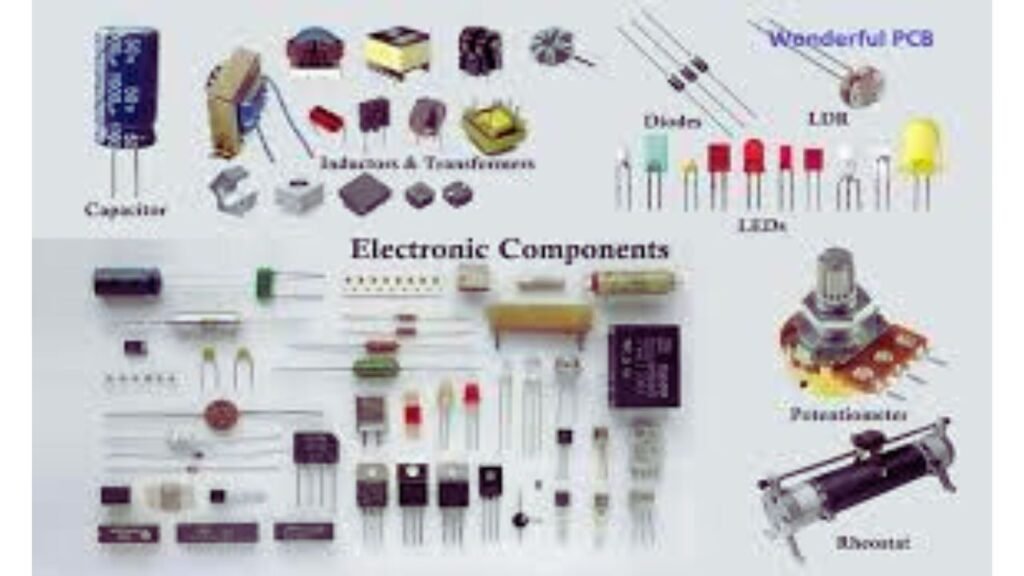
Electric technology is built on several essential components:
1. Power Generation Systems
Electricity is generated through various methods, including thermal power plants, hydroelectric dams, wind turbines, and solar panels. Traditional power plants burn fossil fuels, while renewable systems use natural resources such as sunlight, wind, and water.
2. Transmission and Distribution
Once electricity is generated, it is transmitted through high-voltage power lines to substations. From there, it is distributed to homes, offices, and industries. Transformers play a key role in adjusting voltage levels for safe usage.
3. Electrical Devices and Appliances
Electrical devices convert electrical energy into other forms of energy such as light, heat, or motion. Examples include fans, refrigerators, computers, air conditioners, and smartphones.
4. Control and Protection Systems
Circuit breakers, fuses, relays, and control panels protect electrical systems from overloads and short circuits. These safety systems prevent damage and reduce risks.
Types of Electric Technology
Electric technology can be categorized into several types based on usage and application.
Residential Electric Technology
This includes home wiring systems, lighting solutions, smart home devices, and household appliances to Electric Technology. Modern homes use energy-efficient LED lights, smart meters, and automated systems to reduce energy consumption.
Industrial Electric Technology
Industries rely on heavy electrical machinery, motors, generators, and automation systems to Electric Technology. Industrial electric technology increases productivity and reduces manual labor.
Commercial Electric Technology
Offices, shopping malls, hospitals, and schools depend on advanced electrical infrastructure. Backup generators and uninterrupted power supply (UPS) systems ensure continuous operation.
Renewable Electric Technology
Renewable electric technology focuses on sustainable energy sources such as solar panels and wind turbines. These technologies help reduce carbon emissions and protect the environment.
Role of Electric Technology in Modern Life
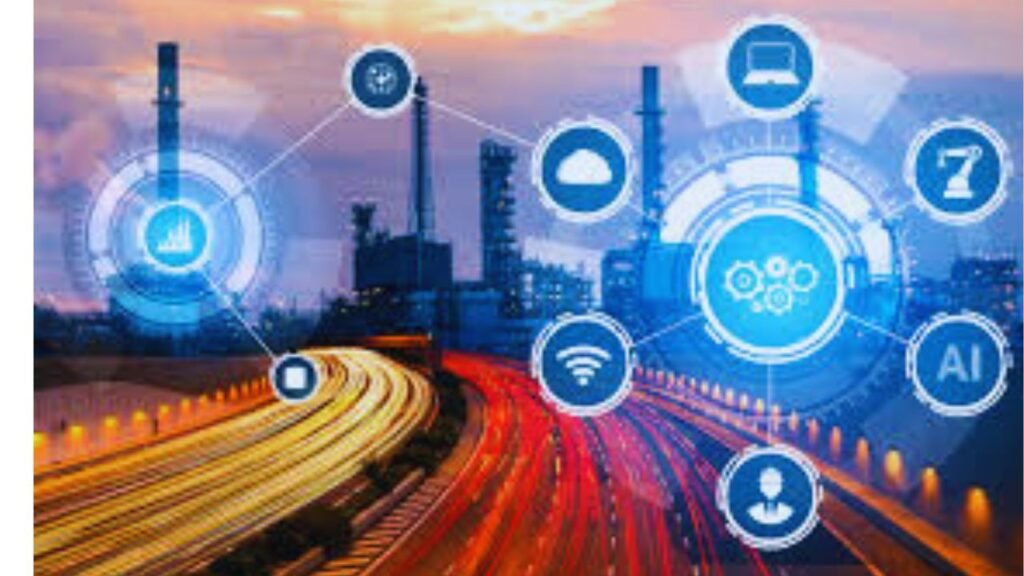
Electric technology impacts almost every aspect of daily life. It provides lighting, heating, cooling, and communication. Hospitals use advanced electrical equipment for diagnosis and treatment to Electric technology. Educational institutions depend on computers and projectors powered by electricity.
Transportation systems also benefit from electric technology. Electric trains and electric vehicles are becoming more common as countries shift toward sustainable energy solutions Electric technology. Smart traffic systems and charging stations are expanding rapidly.
Advantages of Electric Technology
Electric technology offers numerous benefits:
- Efficiency: Electrical systems can deliver energy quickly and reliably.
- Convenience: Appliances save time and effort in daily tasks.
- Productivity: Automation increases industrial output.
- Innovation: Supports modern technologies such as artificial intelligence and robotics.
- Sustainability: Renewable energy reduces environmental impact.
Challenges and Limitations
Despite its advantages, electric technology faces several challenges:
- Power Outages: Grid failures can disrupt daily activities.
- Environmental Concerns: Fossil fuel-based power generation causes pollution.
- High Installation Costs: Renewable systems require initial investment.
- Safety Risks: Improper wiring can cause electrical hazards.
Addressing these challenges requires investment in smart grids, renewable energy, and advanced safety measures.
Future of Electric Technology
The future of electric technology is focused on innovation and sustainability electric technology. Smart grids are being developed to improve efficiency and monitor energy usage in real-time. Artificial intelligence is helping manage energy distribution systems more effectively.
Electric vehicles (EVs) are expected to replace traditional fuel-powered vehicles in the coming decades electric technology. Countries around the world are investing heavily in renewable energy projects to reduce dependence on fossil fuels.
Energy storage systems, such as advanced batteries, are also evolving to support renewable energy integration. These developments will make electricity more reliable and environmentally friendly.
Electric Technology and Digital Transformation
Electric technology plays a central role in digital transformation. Data centers, internet networks, and cloud computing platforms rely heavily on stable electrical systems. Without electricity, digital communication and online services would not exist.
Smart devices, including smartphones and laptops, depend on advanced battery and charging technologies. Innovations in wireless charging and fast-charging systems are improving user convenience.
Importance of Energy Efficiency
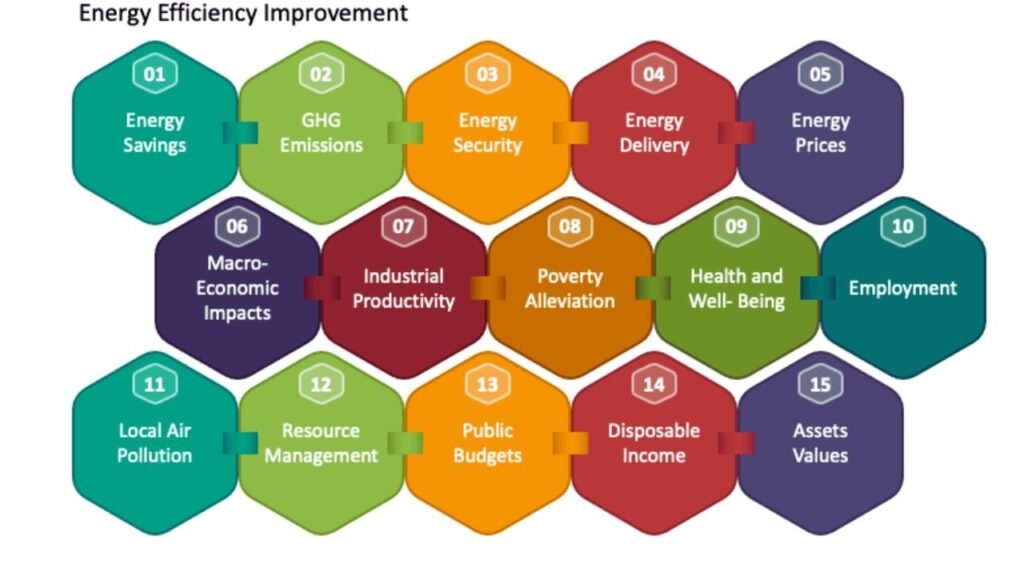
Energy efficiency is a key focus area in electric technology. Governments and organizations promote the use of energy-efficient appliances and renewable energy solutions. LED lighting, smart thermostats, and solar panels help reduce electricity bills and environmental impact.
By adopting efficient electrical systems, individuals and businesses can save money and contribute to environmental protection.
Conclusion
Electric technology is one of the most important foundations of modern civilization. It powers homes, industries, transportation, communication systems, and digital platforms. From its historical beginnings to its future innovations, electric technology continues to shape the world.
With advancements in renewable energy, smart grids, and automation, the future of electric technology looks promising. By focusing on sustainability and efficiency, societies can ensure reliable power supply while protecting the environment.
Electric technology is not just about wires and circuits—it is the driving force behind progress, innovation, and global development.
Electric technology impacts almost every aspect of daily life. It provides lighting, heating, cooling, and communication. Hospitals use advanced electrical equipment for diagnosis and treatment. Educational institutions depend on computers and projectors powered by electricity.Electric technology impacts almost every aspect of daily life. It provides lighting, heating, cooling, and communication. Hospitals use advanced electrical equipment for diagnosis and treatment. Educational institutions depend on computers and projectors powered by electricity.