








Artificial Intelligence (AI) has transformed the landscape of social media. What once was a platform for simple communication and sharing content has now become a highly intelligent ecosystem. AI drives personalization, automation, marketing, content creation, and analytics, making social media more engaging and efficient for both businesses and users.
In this long-form guide, we’ll explore how AI works in social media, its benefits, challenges, and future trends.
1. What is AI in Social Media?
AI in social media refers to the use of machine learning, natural language processing, computer vision, and data analytics to improve platform functionality. AI systems analyze user interactions, behavior, preferences, and engagement patterns to optimize the social media experience.
Platforms like Facebook, Instagram, TikTok, and YouTube rely heavily on AI algorithms to personalize content feeds, recommend videos, and show relevant ads to billions of users globally.
2. AI Powered Content Creation
AI tools now allow businesses, creators, and influencers to generate high-quality content effortlessly. AI-powered content creation includes:
- Captions and Hashtags: Generate relevant and trending captions automatically.
- Blog Posts and Scripts: AI tools can create structured, SEO-friendly content.
- Images and Videos: AI generates visuals and short-form videos tailored to audiences.
- Automated Replies: AI responds to comments and messages, saving time and effort.
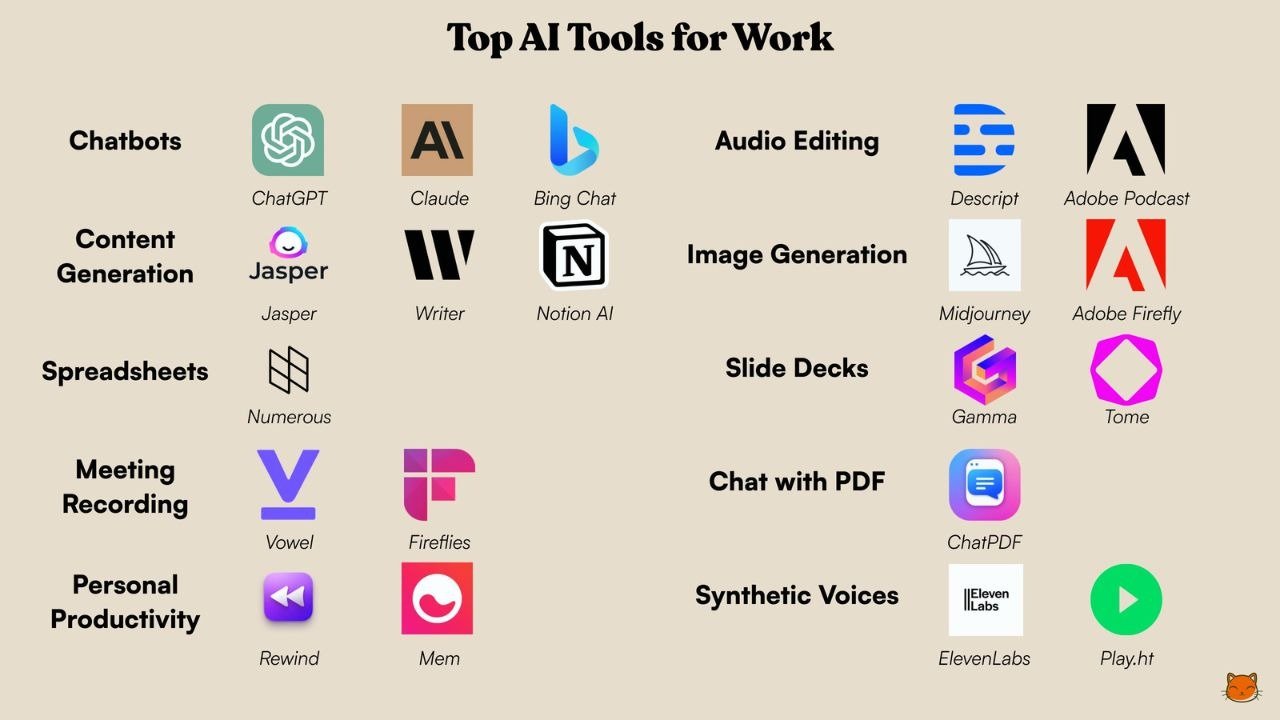
Popular AI tools include:
- ChatGPT content generation and writing ideas
- Canva AI powered designs and graphics
- Jasper marketing copy and creative writing
These tools help maintain consistency, increase engagement, and save hours of manual work.
3. Personalized Content Recommendations
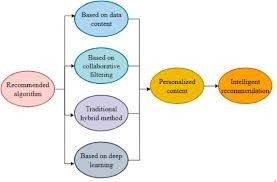
AI algorithms track user behavior such as:
- Posts liked or shared
- Videos watched
- Comments and engagement history
- Search queries
Based on this data, AI recommends personalized content feeds. For example:
- TikTok recommends trending videos on the “For You Page.”
- YouTube shows video suggestions according to watch history.
- Instagram customizes the Explore page with posts relevant to the user.
This personalization keeps users engaged longer and increases platform usage.
4. AI in Social Media Advertising
AI has revolutionized digital advertising. Social media platforms now use AI to create highly targeted ads, ensuring brands reach the right audience with minimal waste.
AI-powered advertising includes:
- Audience Targeting: Segment users by age, location, interests, and behavior
- Automated Budget Optimization: AI adjusts ad spending in real-time for maximum ROI
- A/B Testing: Test multiple ad versions automatically to see which performs best
- Performance Tracking: Monitor conversions and engagement efficiently
Platforms like Facebook and Instagram use AI algorithms to ensure ads reach the right users, improving engagement and sales.
5. AI Chatbots and Customer Support
AI chatbots have changed customer interaction on social media. Businesses use AI bots to:
- Respond to customer queries instantly
- Provide 24/7 support
- Automate appointment bookings and orders
- Collect feedback and reviews
Chatbots enhance customer satisfaction and reduce operational costs while maintaining efficiency.
6. Social Media Analytics

AI analyzes massive amounts of data to help brands make informed decisions. Analytics powered by AI include:
- Engagement rate tracking
- Best posting times
- Audience demographics
- Competitor performance analysis
- Sentiment and brand monitoring
Data-driven insights allow businesses to refine strategies, create targeted campaigns, and grow followers efficiently.
7. AI in Image and Video Recognition
AI enhances visual content management through:
- Facial recognition
- Object detection
- Content moderation to remove inappropriate material
- Automatic tagging of people or brands
- Suggestion of filters, effects, and layouts
For example, Instagram automatically tags people in photos, while TikTok uses AI to recommend visually similar content.
8. AI in Influencer Marketing
AI tools help brands identify the right influencers by analyzing:
- Engagement rates and audience authenticity
- Follower demographics
- Content quality and relevance
- Influence on specific communities
This ensures brands collaborate with genuine influencers, improving campaign effectiveness and reducing fake followers.
9. Trend Prediction and Social Listening
AI monitors millions of posts to predict trends and track online conversations. Businesses use AI to:
- Identify trending topics and hashtags
- Monitor brand mentions and sentiment
- Predict content demand before it goes viral
- Adjust marketing strategies in real-time
Trend prediction helps brands stay ahead of competitors and engage with audiences effectively.
10. Benefits of AI in Social Media
AI offers numerous advantages:
✔ Saves time through automation
✔ Improves engagement and content quality
✔ Optimizes marketing campaigns
✔ Enhances customer experience
✔ Provides accurate, data-driven insights
✔ Boosts sales and ROI
AI is not just a tool; it’s a strategic advantage in the digital marketing world.
11. Challenges of AI in Social Media
Despite its benefits, AI comes with challenges:
- Privacy Concerns: Data collection raises user privacy issues
- Misinformation: AI-generated content can spread fake news
- Deepfakes: Manipulated images and videos can be misused
- Algorithm Bias: Recommendations may favor certain content unfairly
- Over-reliance on Automation: Human creativity can sometimes be limited
Social media companies must use AI responsibly to maintain trust and transparency.
12. The Future of AI in Social Media

The future of AI in social media is exciting. We can expect:
- Highly realistic AI-generated videos and graphics
- Advanced personalization across all platforms
- AI-powered virtual influencers
- Voice and image-based content search
- Automated, intelligent customer service systems
AI will continue shaping social media, making platforms more interactive, engaging, and intelligent than ever before.
Conclusion
Artificial Intelligence has fundamentally transformed social media. From content creation and personalized feeds to analytics, advertising, and customer support, AI improves efficiency, engagement, and business performance. While challenges like privacy and misinformation exist, responsible AI use can create a safer and smarter social media environment.
Businesses and creators who embrace AI are likely to gain a competitive advantage and stay ahead in the rapidly evolving digital landscape.
If you want, I can now create a SEO-ready version of this article with:
- SEO Title
- Meta Description
- Permalink
- Tags
- Short Social Media Captions
Do you want me to do that next?
Continue writing please
Artificial Intelligence in Social Media Extended Insights

Continuing from the previous discussion, let’s dive deeper into how AI is shaping every aspect of social media, with more examples, practical uses, and future perspectives.
13. AI in Social Media Monitoring
AI-powered monitoring tools track brand mentions, competitor activity, and trending topics in real time. Social listening platforms can detect changes in consumer behavior and sentiment, helping brands react quickly.
- Brand Monitoring: AI identifies positive, negative, or neutral mentions of your brand across platforms.
- Competitor Analysis: Understand what content competitors are posting and which strategies work best.
- Crisis Management: AI can alert companies to negative trends before they escalate, allowing for timely intervention.
This level of monitoring is impossible to achieve manually due to the massive volume of social media posts generated daily.
14. AI in Community Management
AI is not only for content creation but also for managing communities. Social media groups and pages use AI to:
- Detect spam or inappropriate comments
- Automatically moderate discussions
- Suggest relevant content to group members
- Provide personalized recommendations to users
AI helps maintain healthy online communities, keeping interactions meaningful and safe.
15. AI and Influencer Performance Analytics
Beyond finding influencers, AI helps track their performance accurately:
- Engagement rate analysis
- Audience authenticity checks
- ROI measurement on influencer campaigns
- Content performance comparison
Brands can now avoid low-performing influencers and focus budgets on partnerships that truly deliver results.
16. AI-Powered Video Editing and Enhancement
Video content dominates social media. AI enhances video production by:
- Automatically editing clips for social media formats
- Adding subtitles and captions
- Suggesting trending music or effects
- Enhancing video quality with AI-based filters
Tools like CapCut and Adobe Express use AI to simplify editing for creators, making professional-quality videos accessible to everyone.
17. AI for Predictive Analytics
AI doesn’t just analyze current trends it predicts future ones. Predictive analytics allows brands to:
- Forecast engagement trends
- Identify potential viral content
- Optimize ad campaigns before launch
- Plan content calendars strategically
Brands that leverage predictive AI can stay ahead of competitors and increase audience engagement.
18. AI and Automation in Social Media Marketing
Marketing automation powered by AI saves time and resources while improving results. Key applications include:
- Scheduled Posting: AI determines optimal posting times for maximum engagement
- Content Recommendations: Suggests content that resonates with your audience
- Email and Social Campaigns: AI optimizes campaigns to target the right users
- Lead Generation: Automatically identifies and engages potential leads
Automation reduces human error and improves overall marketing efficiency.
19. Ethical Considerations in AI
While AI offers numerous benefits, ethical use is crucial. Companies must consider:
- Data Privacy: Obtain consent before collecting user data
- Algorithm Transparency: Avoid hidden biases in AI recommendations
- Content Authenticity: Prevent the spread of fake news or misleading content
- User Well-being: Avoid addictive AI features that harm mental health
Ethical AI strengthens trust between brands and users, ensuring long-term success.
20. AI and the Rise of Virtual Influencers
AI has enabled the creation of virtual influencers entirely computer-generated personalities who can:
- Promote products and services
- Interact with followers
- Maintain consistent branding and image
Examples include virtual influencers like Lil Miquela, who has millions of followers and works with real-world brands. This trend is expanding, giving marketers new creative opportunities.
21. Future Trends of AI in Social Media
Looking ahead, AI will continue transforming social media in these ways:
- Hyper-Personalization: Every user will see content, ads, and recommendations tailored precisely to their behavior and preferences.
- AI-Generated Interactive Content: Quizzes, polls, and AR experiences powered by AI will become more common.
- Voice and Visual Search: Users will search using images or voice commands, and AI will process results instantly.
- Advanced Deep Learning Models: AI will better understand human emotions, making platforms more intuitive.
- AI-Powered Monetization: Creators will have new tools to generate revenue automatically through AI suggestions.
Social media will become more intelligent, interactive, and immersive, with AI at its core.
22. Key Takeaways
- AI is central to content creation, personalization, analytics, and advertising.
- Automation powered by AI saves time and improves marketing performance.
- Ethical AI use is critical to protect privacy, authenticity, and trust.
- Virtual influencers and predictive analytics are emerging as game-changers.
- The future will see AI making social media smarter, more interactive, and more user-focused.
Conclusion
Artificial Intelligence is no longer optional in social media—it’s essential. From personalizing feeds and automating marketing to predictive analytics and virtual influencers, AI enhances every aspect of the social media experience.
Businesses, creators, and marketers who adopt AI effectively can gain a significant competitive advantage. However, balancing innovation with ethics, privacy, and user safety is key to long-term success.
If you want, I can now create a fully SEO-optimized version with:
- SEO Title
- Meta Description
- Permalink
- 15–20 Keywords/Tags
- Readable website/blog format
AI has revolutionized digital advertising. Social media platforms now use AI to create highly targeted ads, ensuring brands reach the right audience with minimal waste.